
As we celebrate Juneteenth National Independence Day and state Juneteenth holidays, we are obligated to remember the terrible legacy of slavery and celebrate the enforcement of the Emancipation Proclamation in Confederate states, where slavery trudged painfully onward for years after the Proclamation became effective on January 1, 1863.
…it was not until June 19th, 1865, two years later, when the U.S. Army took possession of Galveston Island in Texas and began a war against defenders of slavery, that the enslaved people in Galveston could begin their journey towards freedom.
Black Heritage Trail of NH website
One of this year’s Juneteenth events the Black Heritage Trail of NH is having is a mandala project led by artist Napoleon Jones Henderson entitled, “The Art of Erasure: Gone But Never Forgotten”:
Drawing inspiration from this Buddhist tradition of building and destroying art, award-winning public artist Napoleon Jones-Henderson will lead a community workshop and street art project that offers commentary on the erasure of African Americans from our state’s history. Under Jones-Henderson’s guidance, participants will create a piece that the community will paint on a Portsmouth street. We will film the gradual fading away of the art as it happens.
The eradication of the African Burying Ground in the 19th century serves as a literal example of the erasure of Black people from New Hampshire’s history. This history of erasure serves as a metaphor and inspiration for the creation of a short-lived public art project as a social critique. The communal construction of this work also evokes the social construction of race, and like the mandala that was built to be destroyed, we can choose to destroy the system that our society built.
Black Heritage Trail of NH
One of the small ways of acknowledging and learning about Black History in New Hampshire is to stop at Potter Place, the historic train depot located in Andover along what is now the Northern Rail Trail. The site commemorates Richard Potter, the first successful magician and ventrilloquist in the U.S. and America’s first Black celebrity. Potter and his wife Sally Harris lived and owned land there and are buried next to the depot. The depot itself contains a small museum dedicated to Potter’s life and work.
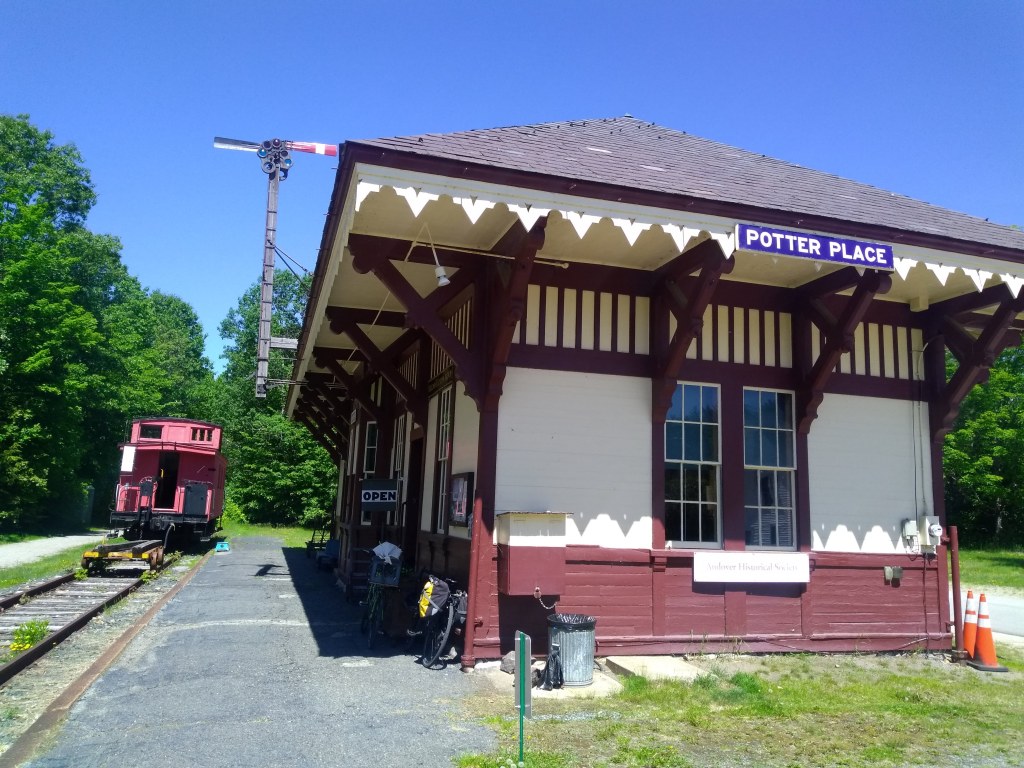
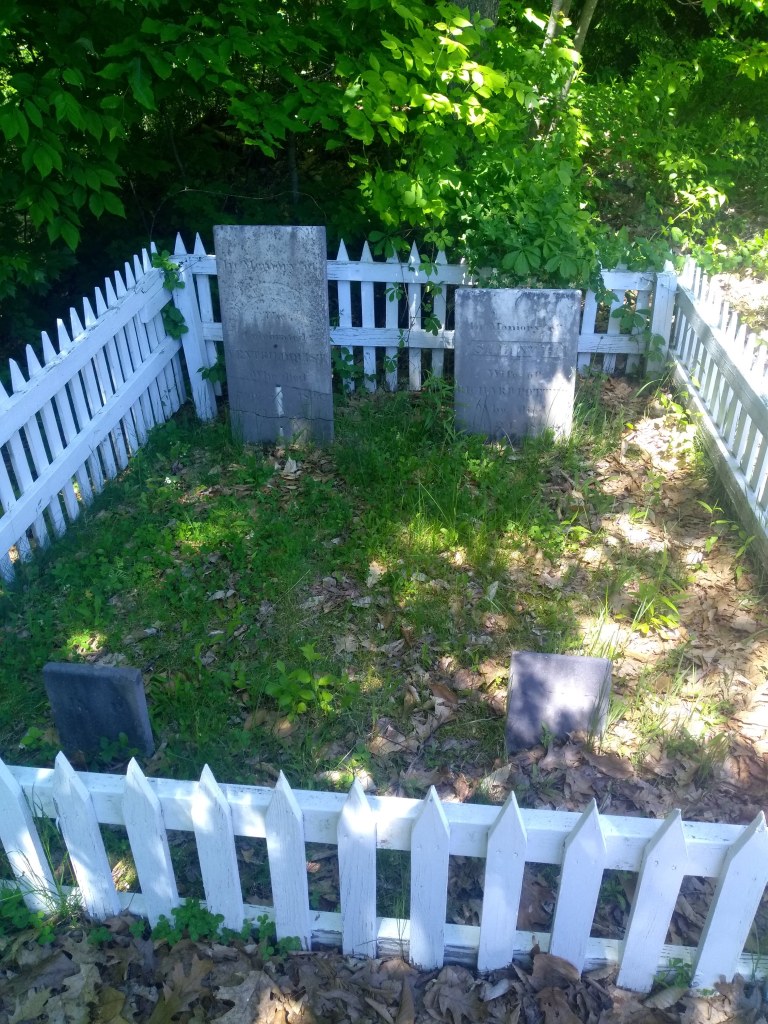
From 1818 until 1831 he dazzled audiences up and down the East Coast. By the time he was 50 years old, in 1833, he had stopped performing magic, focusing on ventriloquism. He died shortly afterward, in 1835. Although his house no longer stands, Richard and Sally Potter’s graves remain in Andover, and the town maintains a commemorative plaque in a part of town still known as Potter Place.
Henry Louis Gates, Jr., Julie Wolf, “The First Successful American-Born Magician Was a Black Man“, The Root, March 16, 2015
 Jeff Brubaker